Music and Innovation

Music is a source for creativity

Learning and making music is more than a recreational activity. Music can help stimulate the imagination, something that is essential for creativity. Listening to a song that you love can completely shift your mood, create images in your mind, bring back positive memories, and give us ideas.

The Neuroscience Behind Music
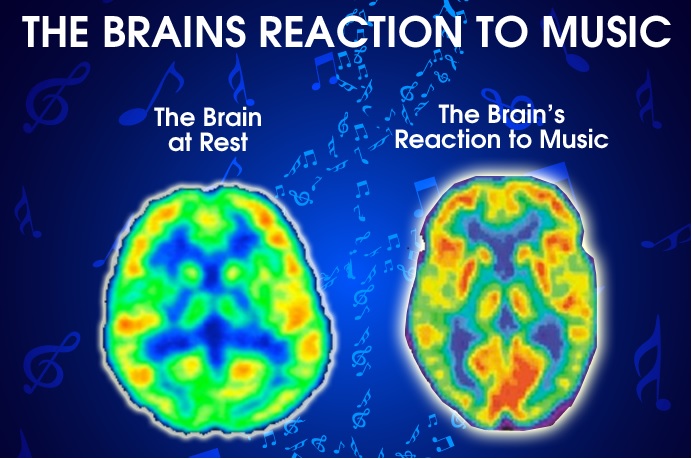
Music has been show to increase cognition. Ritter and Ferguson (2007) found that listening to happy music enhances the cognitive flexibility needed to come up with innovative solutions. Cognitive flexibility is the ability to switch between concepts and creativity rather than seeing something from a fixed point of view.

Music is a source of inspiration

On June 4th, 1976 The Sex Pistols appeared at the Lesser Free Trade Hall in Manchester, England.

It has been marked as the day that the punk era began. The Sex Pistols’ performance has been labeled “The Gig That Changed The World” because although only about four dozen people were in attendance, in that crowd were some names that would become inspired to create music of their own and would eventually go on to shape the course of British music over the next decade:

Ian Curtis, Bernard Sumner, and Peter Hook

Joy Division, circa 1978. From left: Bernard Sumner, Ian Curtis, Peter Hook, and Stephen Wright.

Bernard Sumner and Peter Hook were offended by the Sex Pistols’ vulgar lyrics and anarchic attitude. Though they weren’t big fans of the Sex Pistols, the Sex Pistols’ performance helped them realize that they could take their own route and create music that was different from the rest. They would eventually go on to form British post-punk bands Joy Division and New Order.

Steven Patrick Morrissey
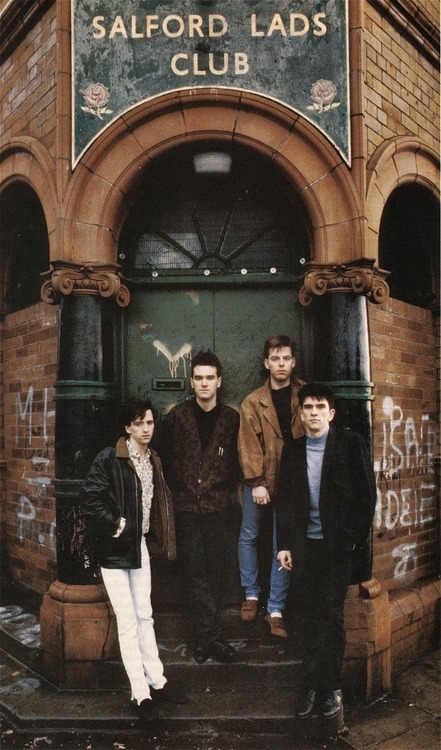
The Smiths, 1986. From left: Johnny Marr, Morrissey, Andy Rourke, and David Joyce.

Steven Patrick Morrissey, also known as Morrissey, says that Sex Pistols gig was “fascinating.” As a young teenager, he was already interested in the punk scene in New York, but the Sex Pistols gig inspired him to do something of his own in the UK. Less than a decade later, he would be a founding member of The Smiths, a band that defined an era of music in Manchester.

Tony Wilson

Tony Wilson, who was lovingly called Mr. Manchester, circa 1983

Anthony “Tony” Wilson described the Sex Pistols gig as “nothing short of an epiphany.” He was inspired to take a leading role in the punk and post-punk music scene. He went on to found Factory Records, the Hacienda nightclub, and Dry Bar, which together formed a central part of the music and cultural scene of Manchester.

Other notable musicians who were inspired by the Sex Pistols were The Stone Roses, Oasis, and Nirvana.

Music can inspire generations of young musicians to think outside of the box, challenge social norms, and take the future of music into their own hands and change music for generations to come.

Technological Inventions in Music History

As society continues to advance in technology, the music industry is not left behind. In order to appreciate how far music has come, let’s take a look back at the pattern of technologies that have brought the music industry to where it is now.

40,000 BCE

Bone flutes, lyres, and harps used as instruments

Paleolithic flutes made from animal bone were found in the
Swabian Alb region of Germany

Bone flutes are one of the world’s oldest recognizable instruments. Excavated in 2008 in a cave in Germany, they are thought to have existed during the paleolithic era. These hand-made tools point to the root of human creativity in creating music technology.

1910’s

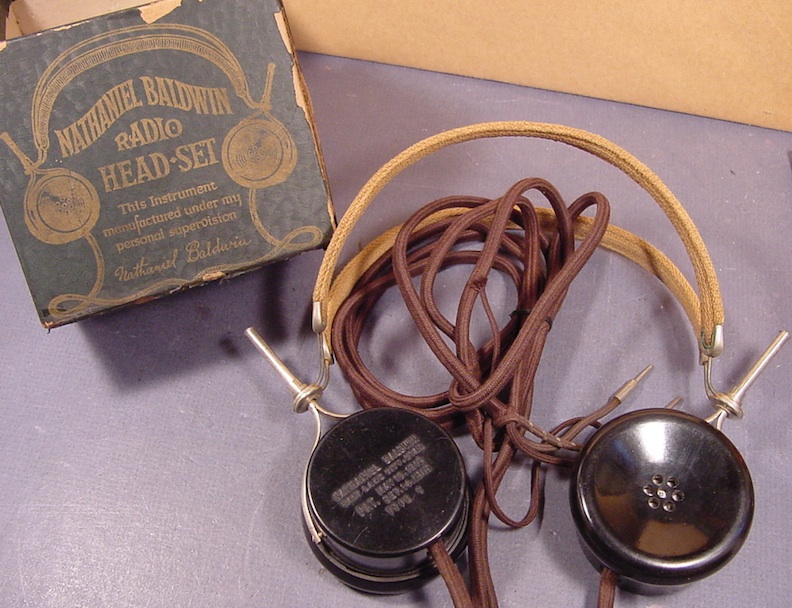
First pair of headphones invented

The first pair of headphones weren’t for music, but for radio & aviation communication instead

The first pair of successful headphones was invented in 1910 by Nathaniel Baldwin on his kitchen table. Initially used by the US Navy or radio and aviation communication, they would later be transformed by John C. Koss in 1958 to be purely for music (coincidentally, during the boom of Rock ‘n’ Roll).

1930’s

Music radio is invented

A family gathers to listen to the radio circa 1934

Italian engineer Guglielmo Macroni facilitated mass communication through the global transmission of radio waves. The rise of rock, jazz, and pop music is intimately tied to the history of music radio.

1940’s

Electric instruments are invented

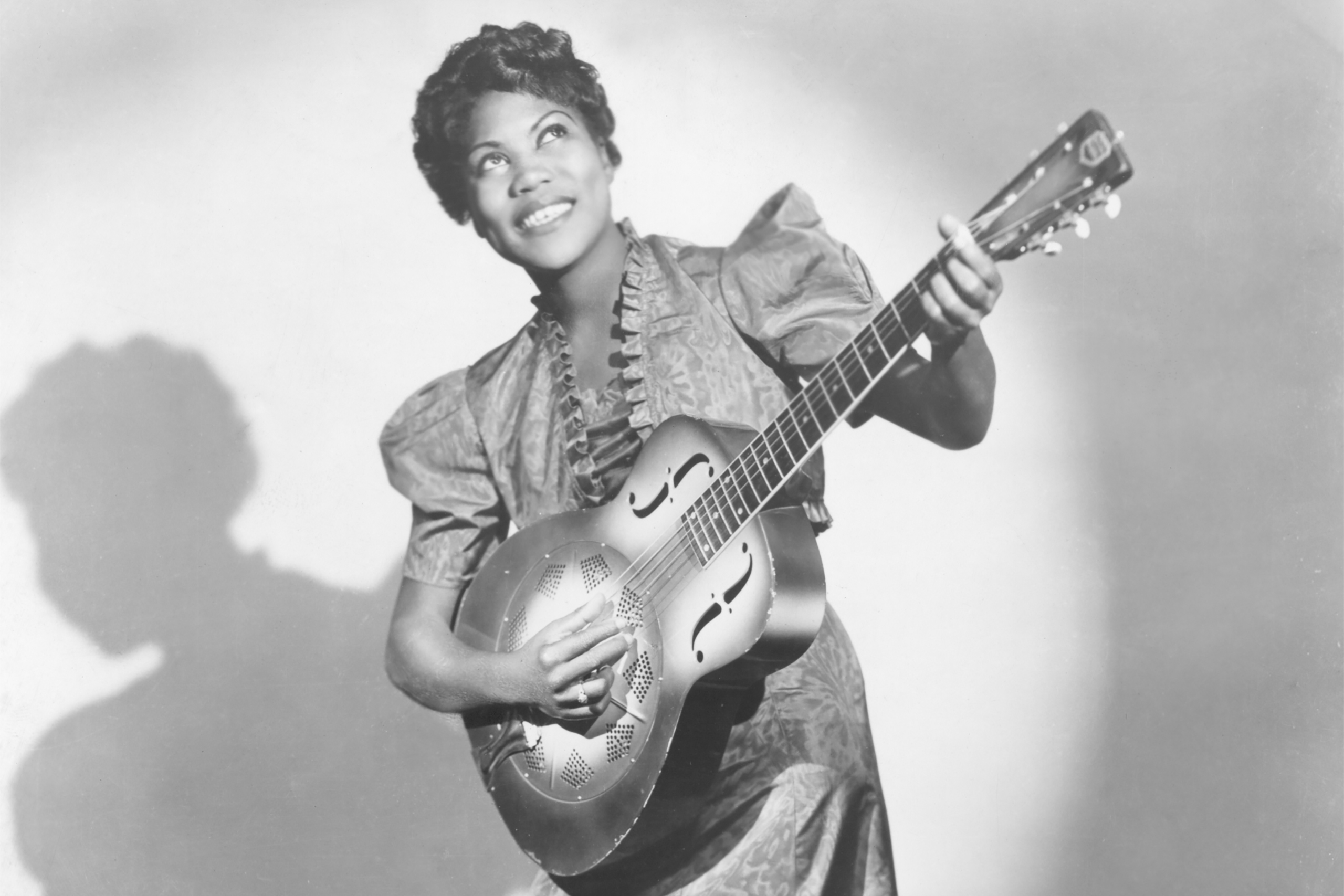
Sister Rosetta Tharpe, a pioneer in Gospel music, jazz, and rock ‘n’ roll, circa 1940.

With advancing technology, more sophisticated musical instruments became possible. The electric guitar sparked a boom in jazz, giving it several signature style marks.

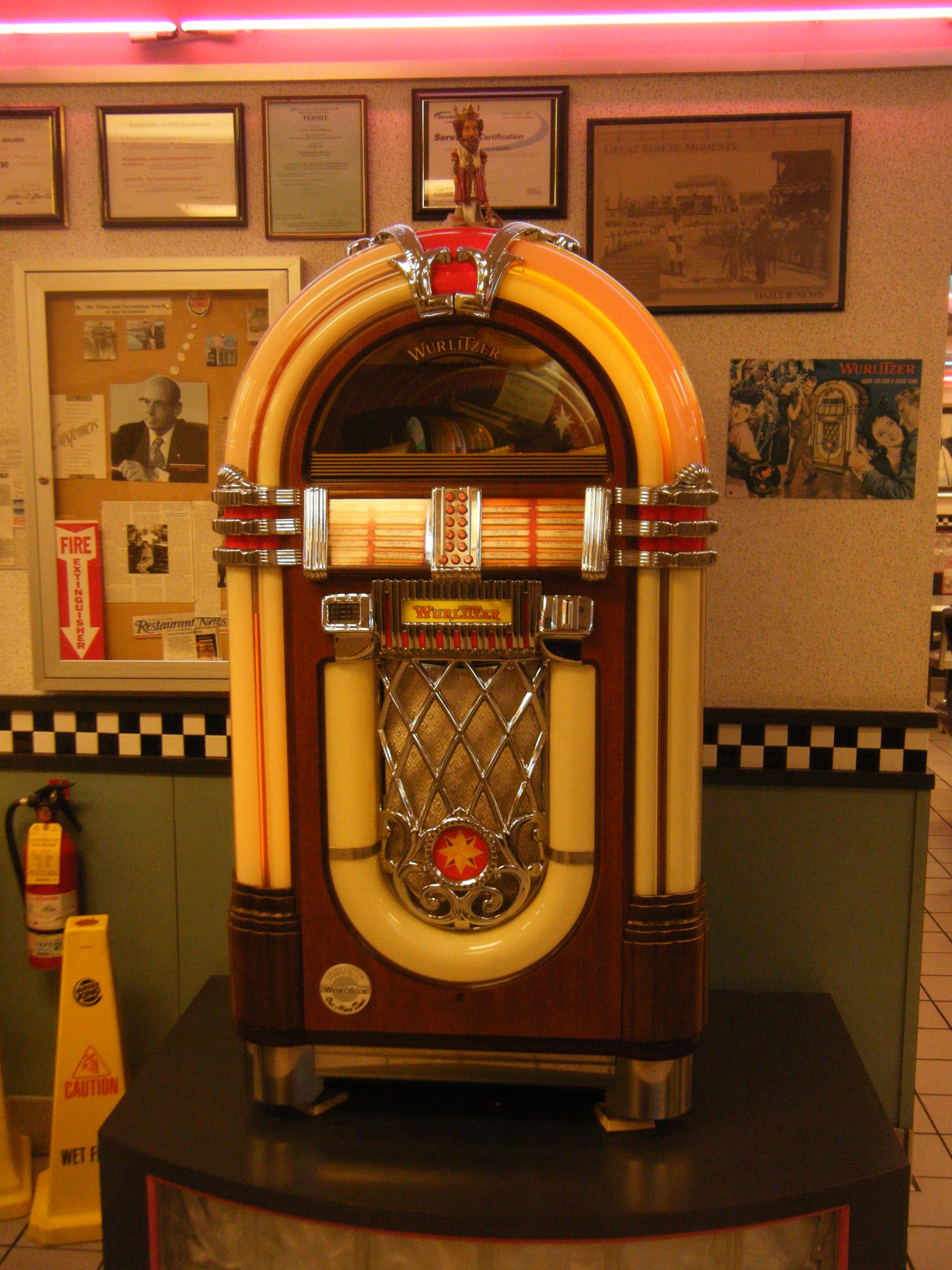
Record players, turntables, and jukeboxes become popular

A jukebox from the 1950’s.

1960’s

Television becomes widely available

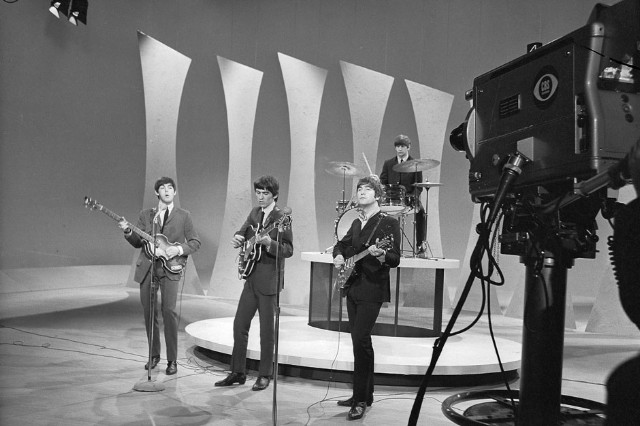
February 9th, 1964: The Beatles make their first live U.S television performance on “The Ed Sullivan Show”

Television quickly became a medium through which musicians could showcase their music to a wide audience.

Cassette tapes

1980’s

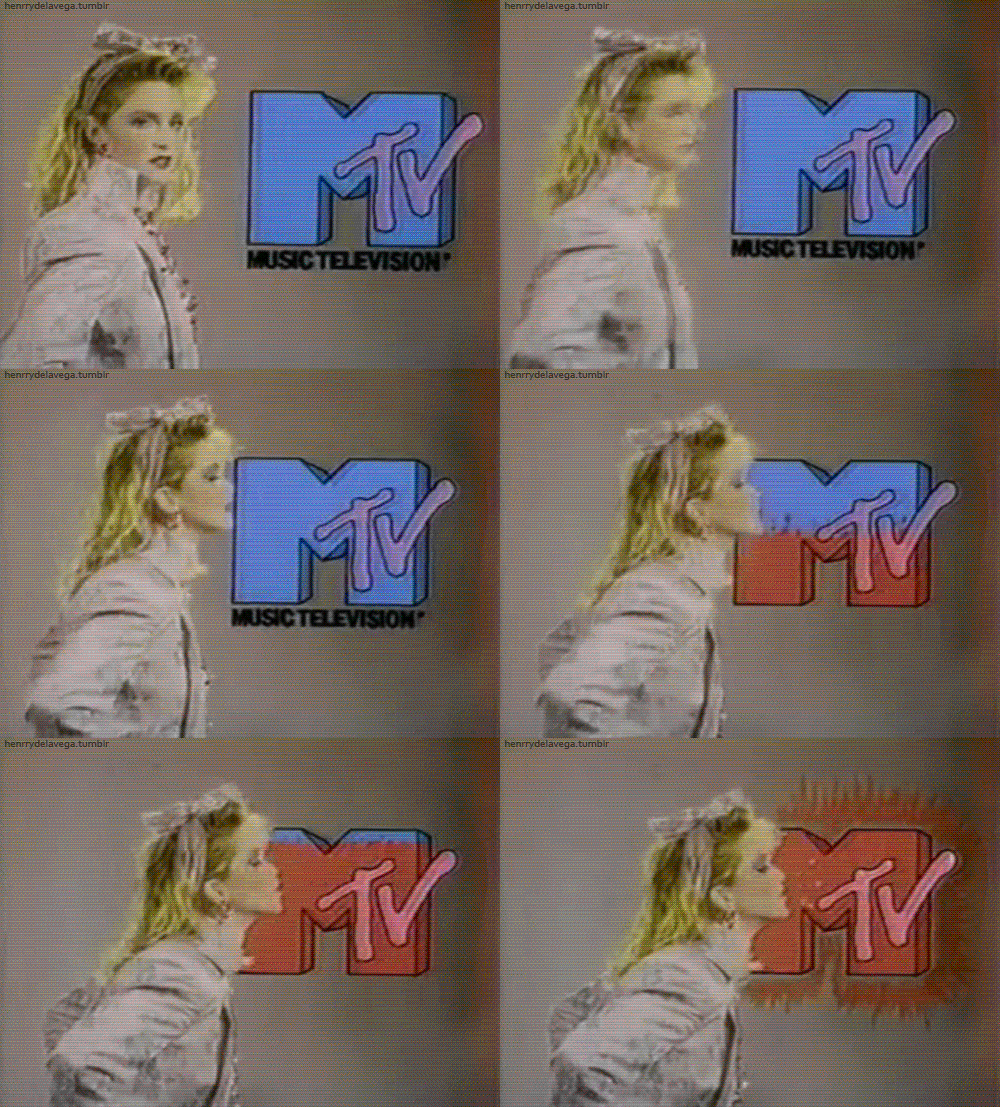
Rise of MTV (Music Television)

MTV became an influential source of pop culture not just in the United States, but also in other parts of the world like Europe, Asia, and Latin America.

MTV’s debut into pop culture prompted a decade full of musical experimentation. With the emergence of music videos, for the first time people could listen to music and watch a story-line unfold in front of them on their televisions. It also became instrumental in promoting the careers of music legends like Michael Jackson, Prince, and Madonna.

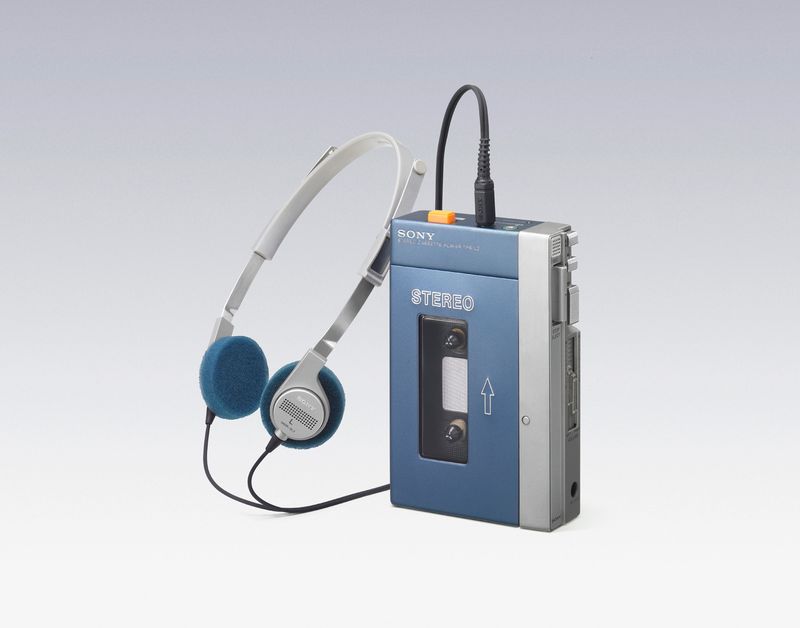
The Walkman

The original portable Sony Walkman cassette player, released in 1979.

The emergence of the Sony Walkman allowed people to carry music at their fingertips.

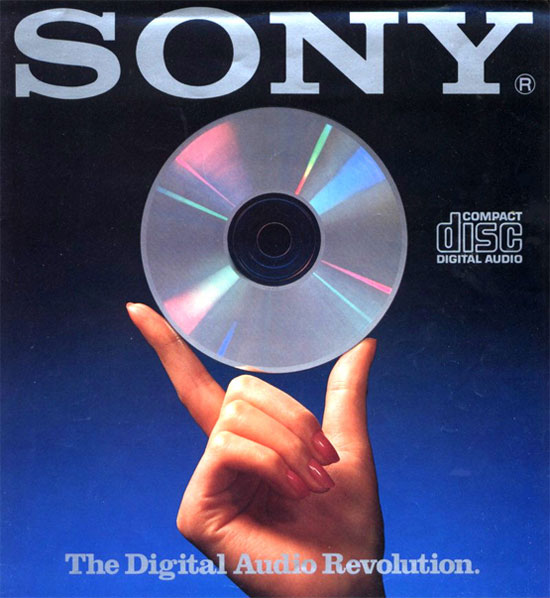
Compact Discs (CDs)

A 1980’s Sony advertisement for CD’s

Sleek CD’s became the new format through which music was listened to. CD’s would dominate the music industry for ~20 years, until the emergence of MP3’s.

1990’s

Portable CD players

The CD player’s bulkiness didn’t stop people from carrying them around.

Like the Sony Walkman played cassette tapes, portable CD players allowed people to bring their CDs everywhere.

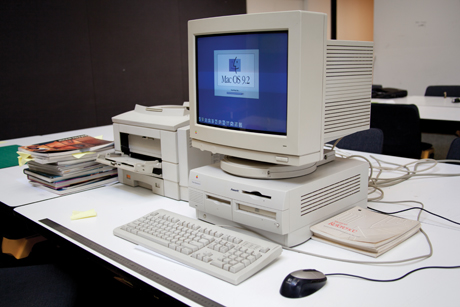
The Internet

An early Macintosh computer, circa 1990’s.

While the Internet didn’t do much for music in the ’90s, it would come to be a critical component of the music industry in the 2000’s and beyond.

2000’s

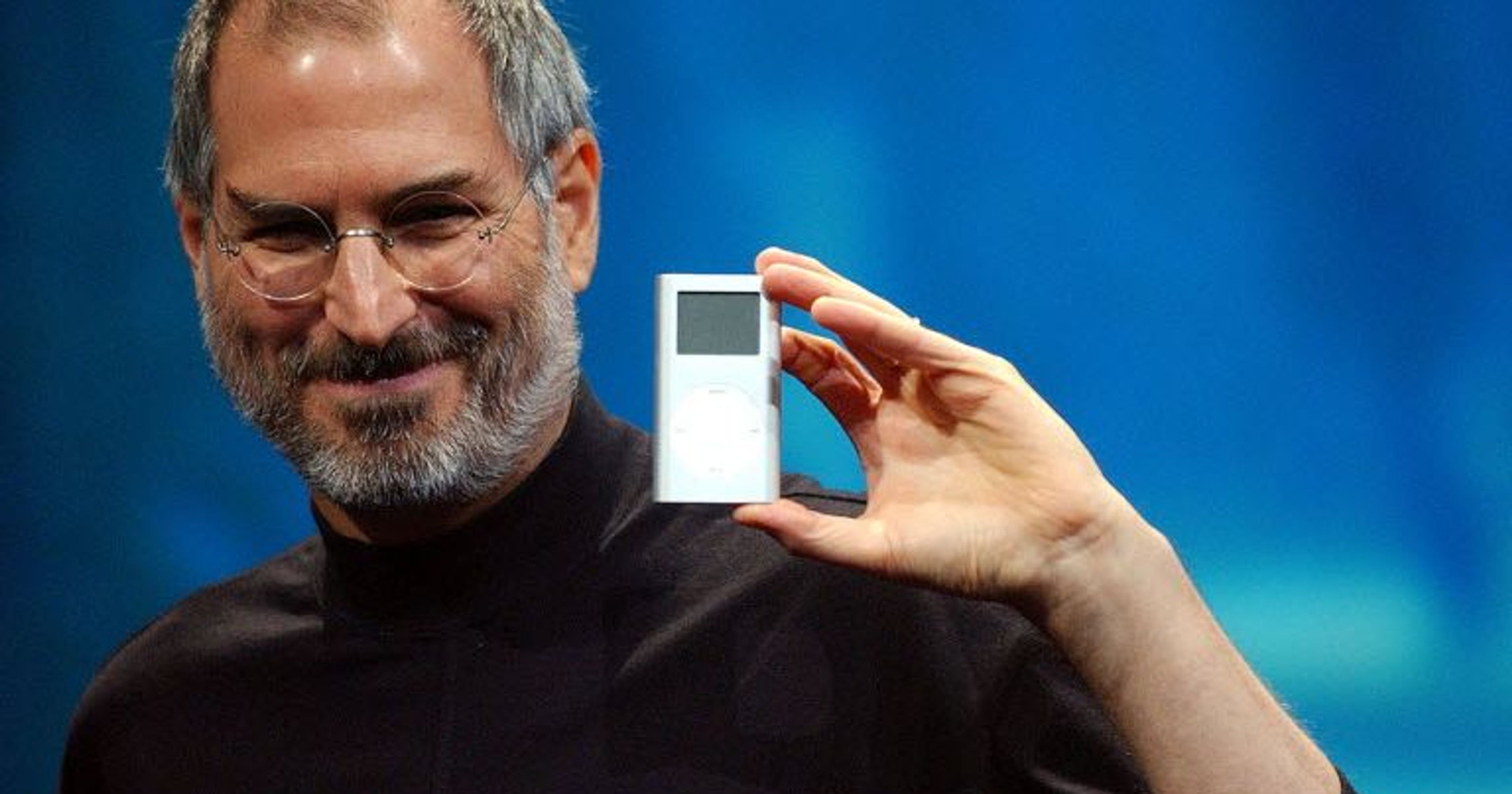
iPod

October 23rd, 2001: Steve Jobs unveils the iPod. Having been launched a month after 9/11 and in the midst of the anthrax terrorist scare, the iPod helped Americans cope with music.

The iPod became the world’s most successful music player. Digital music became the most convenient format for listening to songs, and the iPod was the first device that allowed music lovers easy access to their without having to carry a cassette or CD with them.

YouTube

Many celebrities, like Justin Bieber, Carly Rae Jepsen, and Shawn Mendes, owe their careers to YouTube.

In 2005, invention of YouTube, a video-sharing website, allowed people from all around the world to upload their content. It quickly became a way in which musicians were discovered, i.e Justin Bieber.

2010’s

Music streaming services

The rapid advancement of digital music prompted the personalized music algorithms that music streaming services have

Music streaming services emerged with iTunes, Pandora, and Last.fm. Spotify and Apple Music currently dominate the music streaming industry.

The Future of Music

With the rapid advancement of technology, the way we create and experience will change. Here are some examples of music of the future:

Musicians will no longer be real

Japan’s biggest pop star is not a real person. Hatsune Miku is a humanoid singer; a vocaloid software voiceback developed by technology. As technology advances, 3D holograms will be able to have live concerts. Some progress has already been made in this aspect of musical performances, with Michael Jackson’s hologram performing at the Billboard Music Awards in 2014, and Roy Orbison’s hologram going on a world tour in 2017.

The recording studio will be all in your laptop

With the ease and versatility that technology provides, the age of the recording studio will be coming to an end soon. Now musicians who want to produce a song together no longer need to fly out to meet eachother in person, all that is needed is an editing program in order for them to work on the music together in real time, even if they are across the world.

Live shows will be the most interactive they’ve ever been

Virtual and augmented reality will make concerts a mind-bending experience for concert-goers. A new technology called “3D-Mapping” makes it look as though objects on stage will fall onto the audience, or even make it look as though the band will be moving onto the audience.

Philosophers on Music

What do famous philosophers have to say about music?

Plato (c.428 BC – c.348 BC)

“Music is a moral law. It gives soul to the universe, wings to the mind, flight to the imagination, and charm and gaiety to life and everything.”

Plato

Music was seen as being essential for young people’s education in Plato’s republic because he felt that the arts could shape one’s character. He was largely influenced by Pythagoras, and to him, “ordered” music meant “ordered” souls.

Pythagoras (c.570 BC – c.495 BC)

“There is geometry in the humming of the strings, there is music in the spacing of the spheres.”

Pythagoras

Pythagoras elaborated the theory of musica universalis, which regarded the ratios in the movements of celestial bodies–sun, moon, and planets–as music.

Arthur Schopenhaur (1788 – 1860)

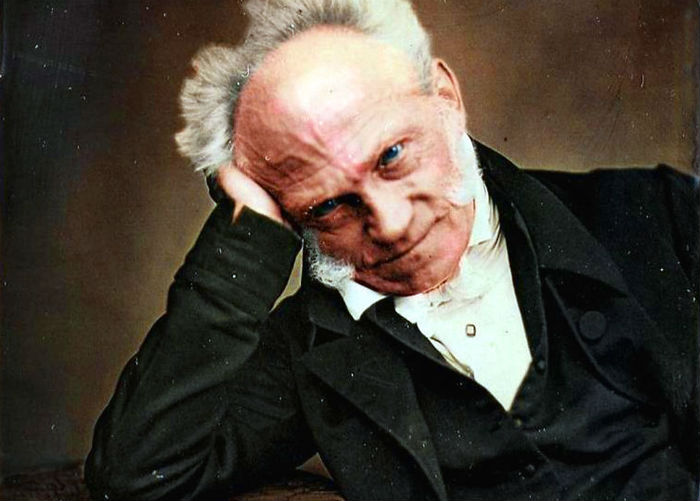
“The inexpressible depth of music, so easy to understand and yet so inexplicable, is due to the fact that it reproduces all the emotions of our innermost being, but entirely without reality and remote from its pain…music expresses only the quintessence of life and its events, never these themselves.”

Arthur Schopenhauer

Schopenhauer theorized that the aesthetic experience that we have when listening to music could lift us to a level of pure perception. He also felt that music was able to represent the metaphysical representation of reality better than other arts, such as literature and poetry, which were too closely tied to human forms and emotions.

Friedrich Nietzsche (1844 – 1900)

“Without music, life would be a mistake.”

Friedrich Nietzsche

Nietzsche devoted a part of his philosophy to the arts, particularly music. He completely rejected the idea of Art for Art’s Sake. For him, music served a purpose.

Technology and the Art of Music

When a pianist sits down and does a virtuoso performance he is in a technical sense transmitting more information to a machine than any other human activity involving machinery allows. — Robert Moog, inventor of the Moog synthesizer

Image result for music and tech

When thinking of technology, automated robots and self-driving cars readily come to mind. The arts, however, are also undergoing revolutionary changes because of up-and-coming technological innovations. Music in particular has a rich history of technology, and the music industry has evolved thanks to groundbreaking inventions that help create music, and disseminate it.