As society continues to advance in technology, the music industry is not left behind. In order to appreciate how far music has come, let’s take a look back at the pattern of technologies that have brought the music industry to where it is now.
40,000 BCE
Bone flutes, lyres, and harps used as instruments

Swabian Alb region of Germany
Bone flutes are one of the world’s oldest recognizable instruments. Excavated in 2008 in a cave in Germany, they are thought to have existed during the paleolithic era. These hand-made tools point to the root of human creativity in creating music technology.
1910’s
First pair of headphones invented
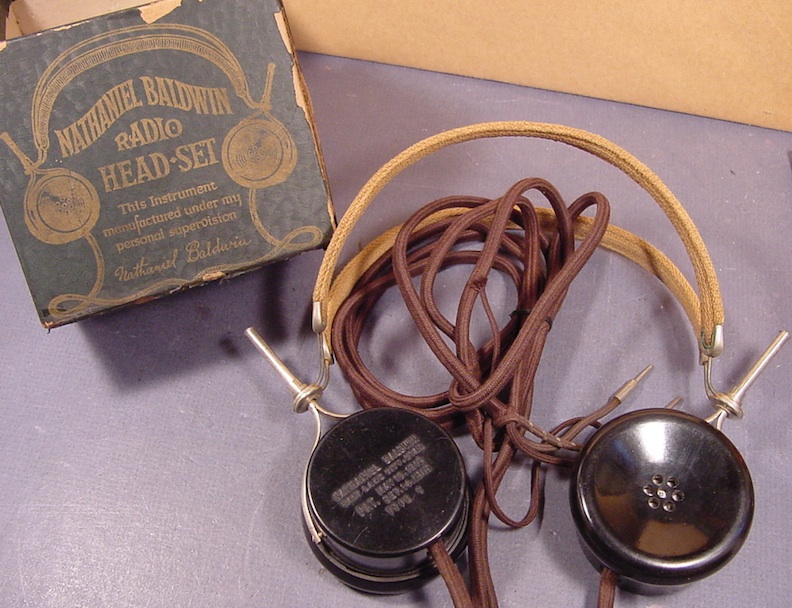
The first pair of successful headphones was invented in 1910 by Nathaniel Baldwin on his kitchen table. Initially used by the US Navy or radio and aviation communication, they would later be transformed by John C. Koss in 1958 to be purely for music (coincidentally, during the boom of Rock ‘n’ Roll).
1930’s
Music radio is invented

Italian engineer Guglielmo Macroni facilitated mass communication through the global transmission of radio waves. The rise of rock, jazz, and pop music is intimately tied to the history of music radio.
1940’s
Electric instruments are invented

With advancing technology, more sophisticated musical instruments became possible. The electric guitar sparked a boom in jazz, giving it several signature style marks.
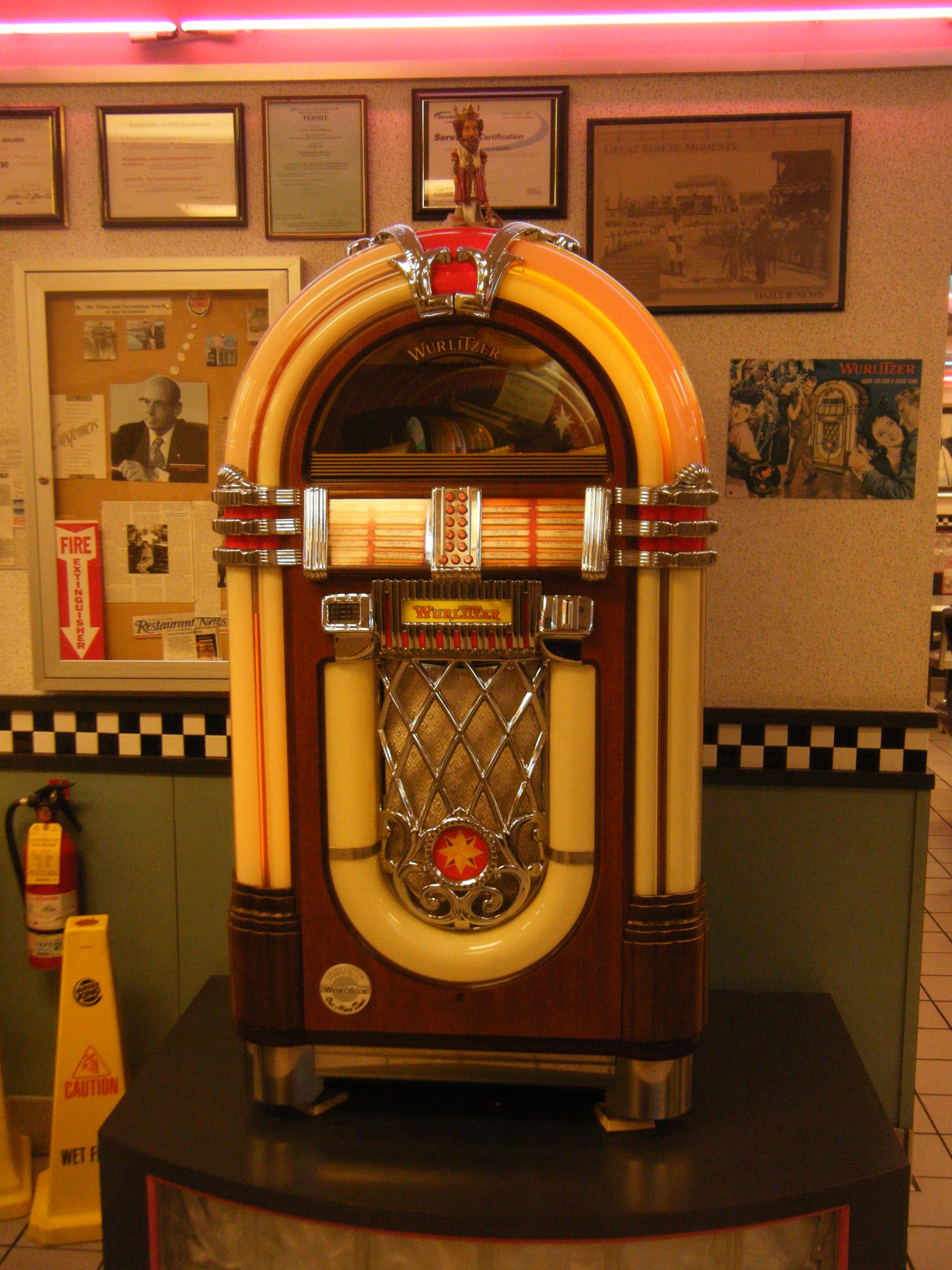
Record players, turntables, and jukeboxes become popular
1960’s
Television becomes widely available
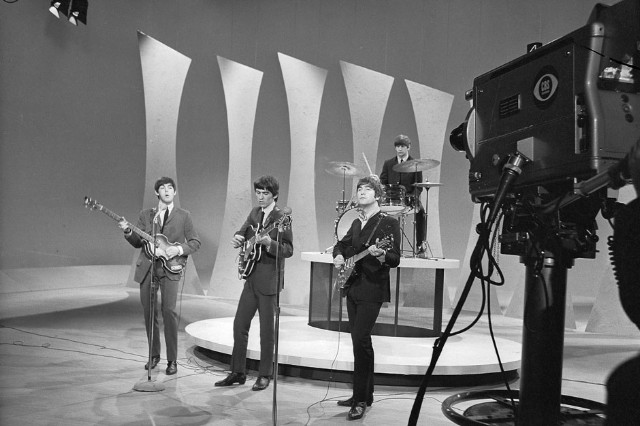
Television quickly became a medium through which musicians could showcase their music to a wide audience.
Cassette tapes

1980’s
Rise of MTV (Music Television)
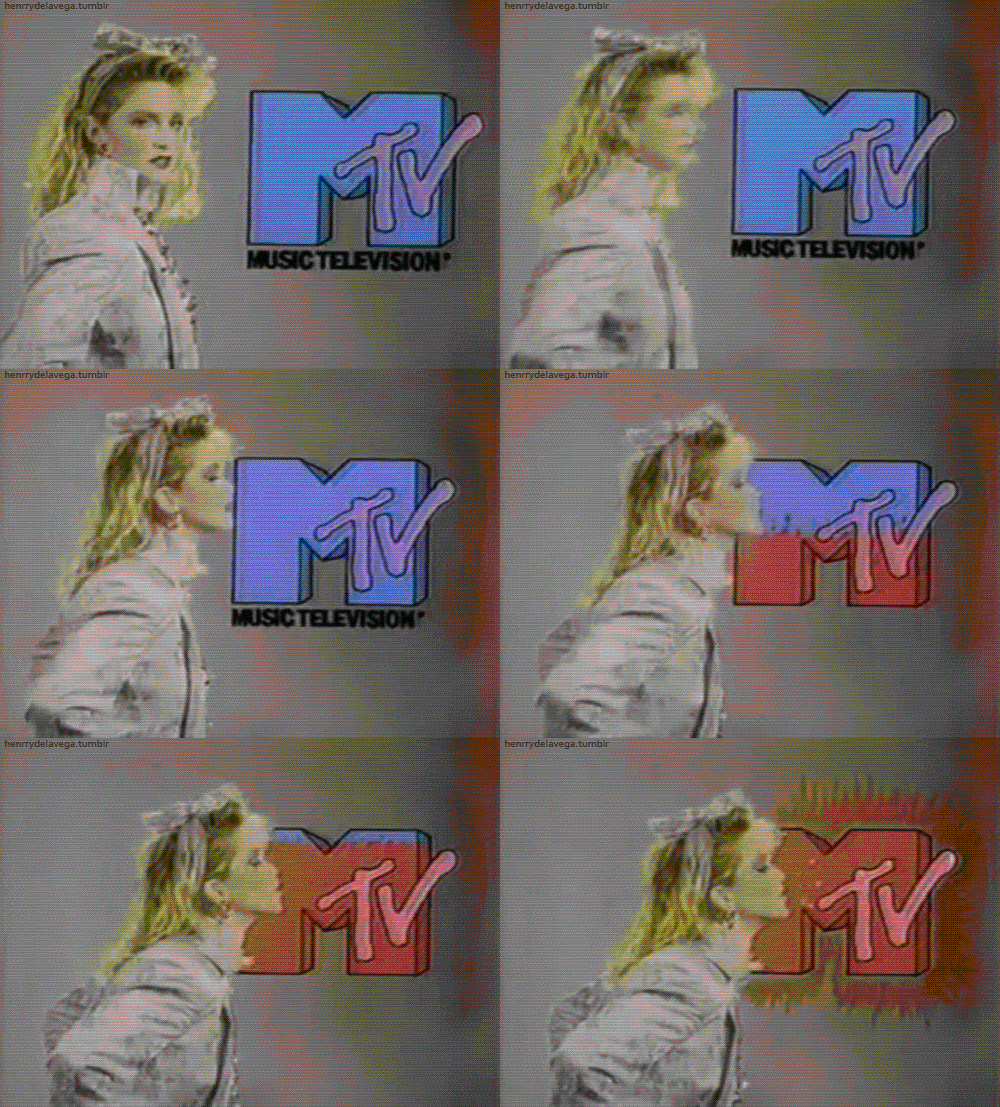
MTV’s debut into pop culture prompted a decade full of musical experimentation. With the emergence of music videos, for the first time people could listen to music and watch a story-line unfold in front of them on their televisions. It also became instrumental in promoting the careers of music legends like Michael Jackson, Prince, and Madonna.
The Walkman
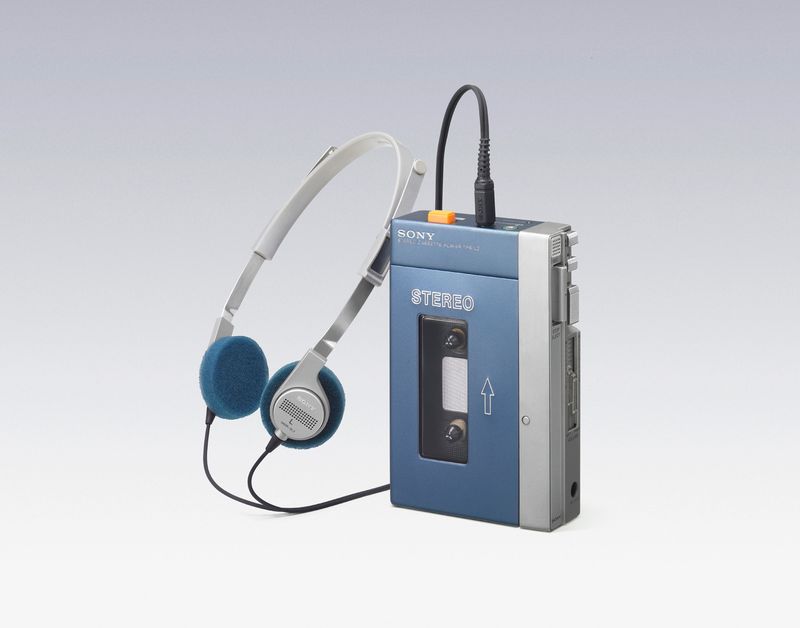
The emergence of the Sony Walkman allowed people to carry music at their fingertips.
Compact Discs (CDs)
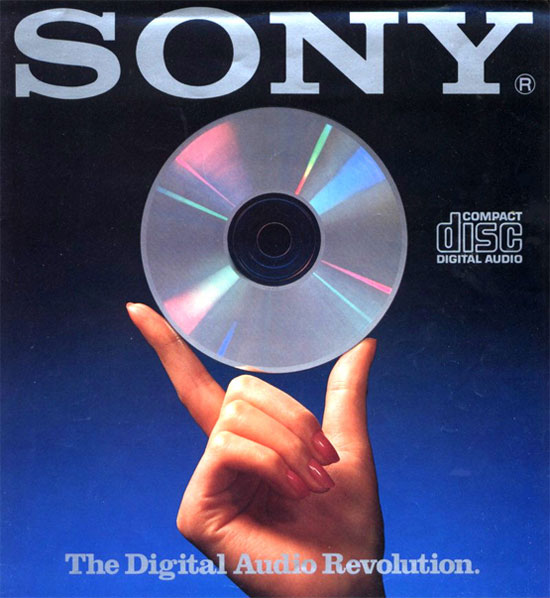
Sleek CD’s became the new format through which music was listened to. CD’s would dominate the music industry for ~20 years, until the emergence of MP3’s.
1990’s
Portable CD players

Like the Sony Walkman played cassette tapes, portable CD players allowed people to bring their CDs everywhere.
The Internet
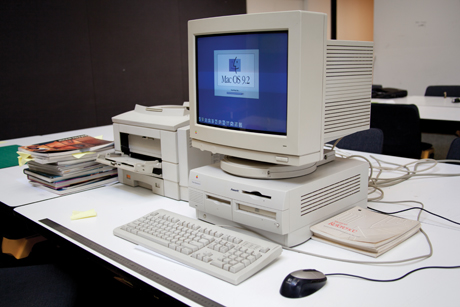
While the Internet didn’t do much for music in the ’90s, it would come to be a critical component of the music industry in the 2000’s and beyond.
2000’s
iPod
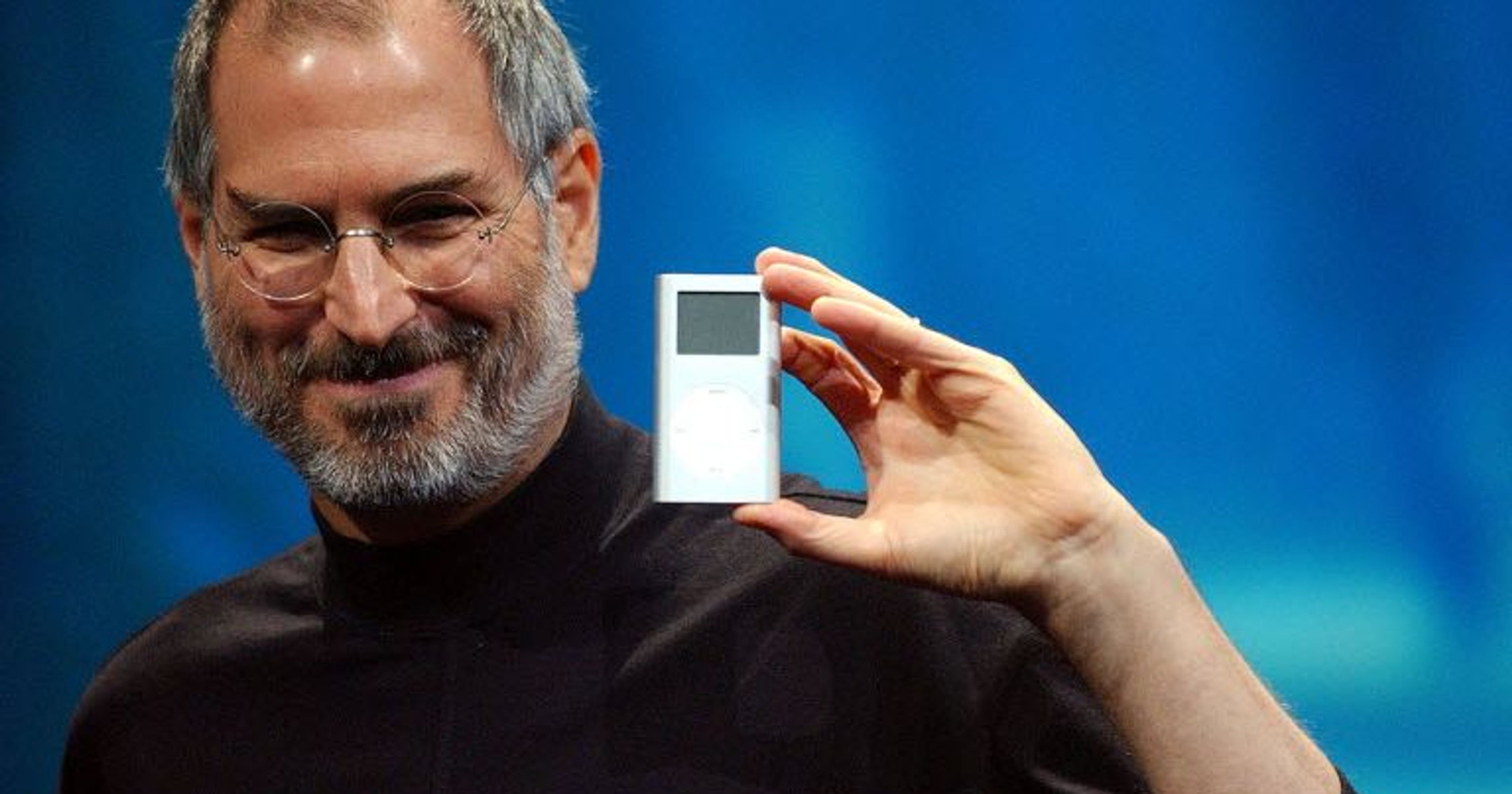
The iPod became the world’s most successful music player. Digital music became the most convenient format for listening to songs, and the iPod was the first device that allowed music lovers easy access to their without having to carry a cassette or CD with them.
YouTube

In 2005, invention of YouTube, a video-sharing website, allowed people from all around the world to upload their content. It quickly became a way in which musicians were discovered, i.e Justin Bieber.
2010’s
Music streaming services

Music streaming services emerged with iTunes, Pandora, and Last.fm. Spotify and Apple Music currently dominate the music streaming industry.

 Music, Technology, and Philosophy