What do famous philosophers have to say about music?
Plato (c.428 BC – c.348 BC)
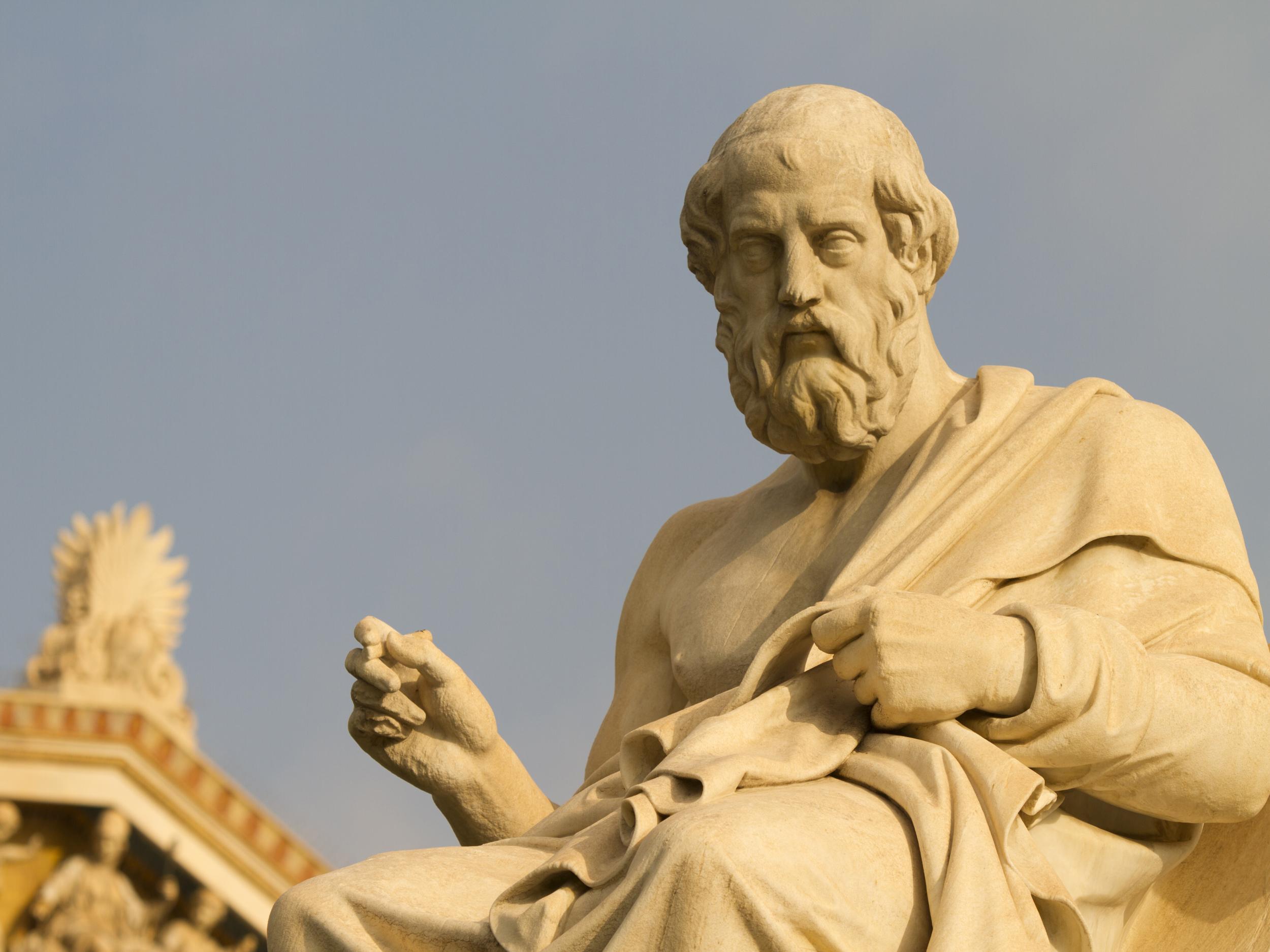
“Music is a moral law. It gives soul to the universe, wings to the mind, flight to the imagination, and charm and gaiety to life and everything.”
Plato
Music was seen as being essential for young people’s education in Plato’s republic because he felt that the arts could shape one’s character. He was largely influenced by Pythagoras, and to him, “ordered” music meant “ordered” souls.
Pythagoras (c.570 BC – c.495 BC)

“There is geometry in the humming of the strings, there is music in the spacing of the spheres.”
Pythagoras
Pythagoras elaborated the theory of musica universalis, which regarded the ratios in the movements of celestial bodies–sun, moon, and planets–as music.
Arthur Schopenhaur (1788 – 1860)
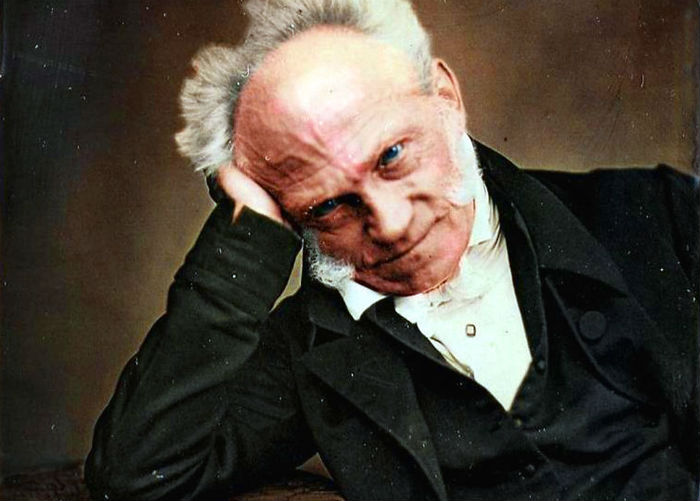
“The inexpressible depth of music, so easy to understand and yet so inexplicable, is due to the fact that it reproduces all the emotions of our innermost being, but entirely without reality and remote from its pain…music expresses only the quintessence of life and its events, never these themselves.”
Arthur Schopenhauer
Schopenhauer theorized that the aesthetic experience that we have when listening to music could lift us to a level of pure perception. He also felt that music was able to represent the metaphysical representation of reality better than other arts, such as literature and poetry, which were too closely tied to human forms and emotions.
Friedrich Nietzsche (1844 – 1900)
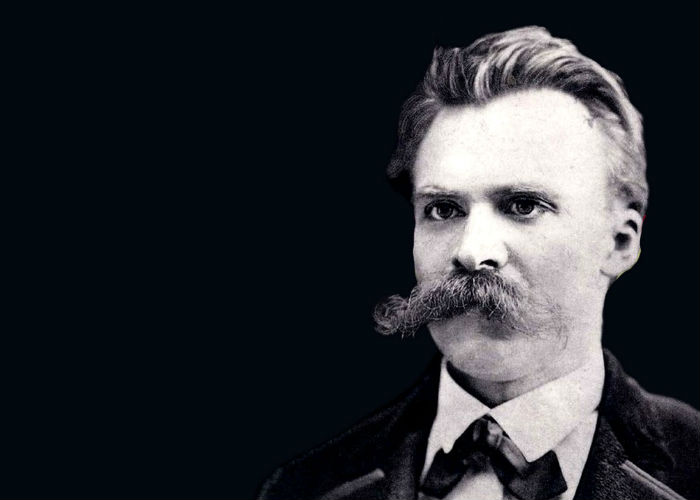
“Without music, life would be a mistake.”
Friedrich Nietzsche
Nietzsche devoted a part of his philosophy to the arts, particularly music. He completely rejected the idea of Art for Art’s Sake. For him, music served a purpose.

 Music, Technology, and Philosophy